Skip to:

Search

The experience of an op shop for some people can be a place of peace and alone time or an adventure with friends and family.
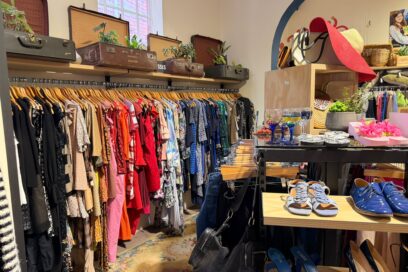
What an op should always be is a place of community, discovery and generosity and never a soulless fast-fashion outlet.
Having worked at Sacred Heart Mission Op Shops for over 16 years, I’ve seen op shops expand while donations and volunteers become sparse.
Online, customers are outraged by pricing and fast-fashion clogging up op shop racks. Outside our stores, soiled bed sheets are strewn across the footpaths for our staff to discover when they open the next morning.
Every week I receive notifications of another news story, Facebook debate or social media post dissecting the sad state of second-hand shopping.
Cost of Living hits op shops: Why buy second-hand when you can buy a new thing for the same price?
Fast fashion, Shein & Anko overwhelming Op Shops: Where did all the quality items go?
Bed bugs and a foul game of ‘lucky dip’: Don’t people wash their clothes before donating?
While sometimes I feel protective of what is being discussed, more than not it strengthens my belief that without communities, there are no opportunity shops.
Op shops belong to their communities. We are shaped exclusively by them.
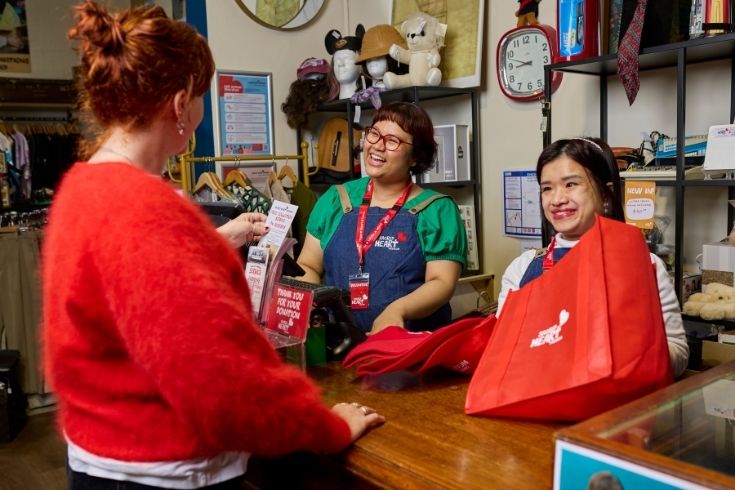
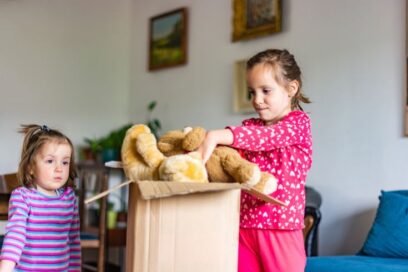
Without donations, there is no stock on the shelves.
Without volunteers, there’s no one to serve our customers and fill our store.
Without op shoppers, there are no funds for services that support people when they’re going through hard times.
Op shops sit at the intersection of retail, sustainability and social good.
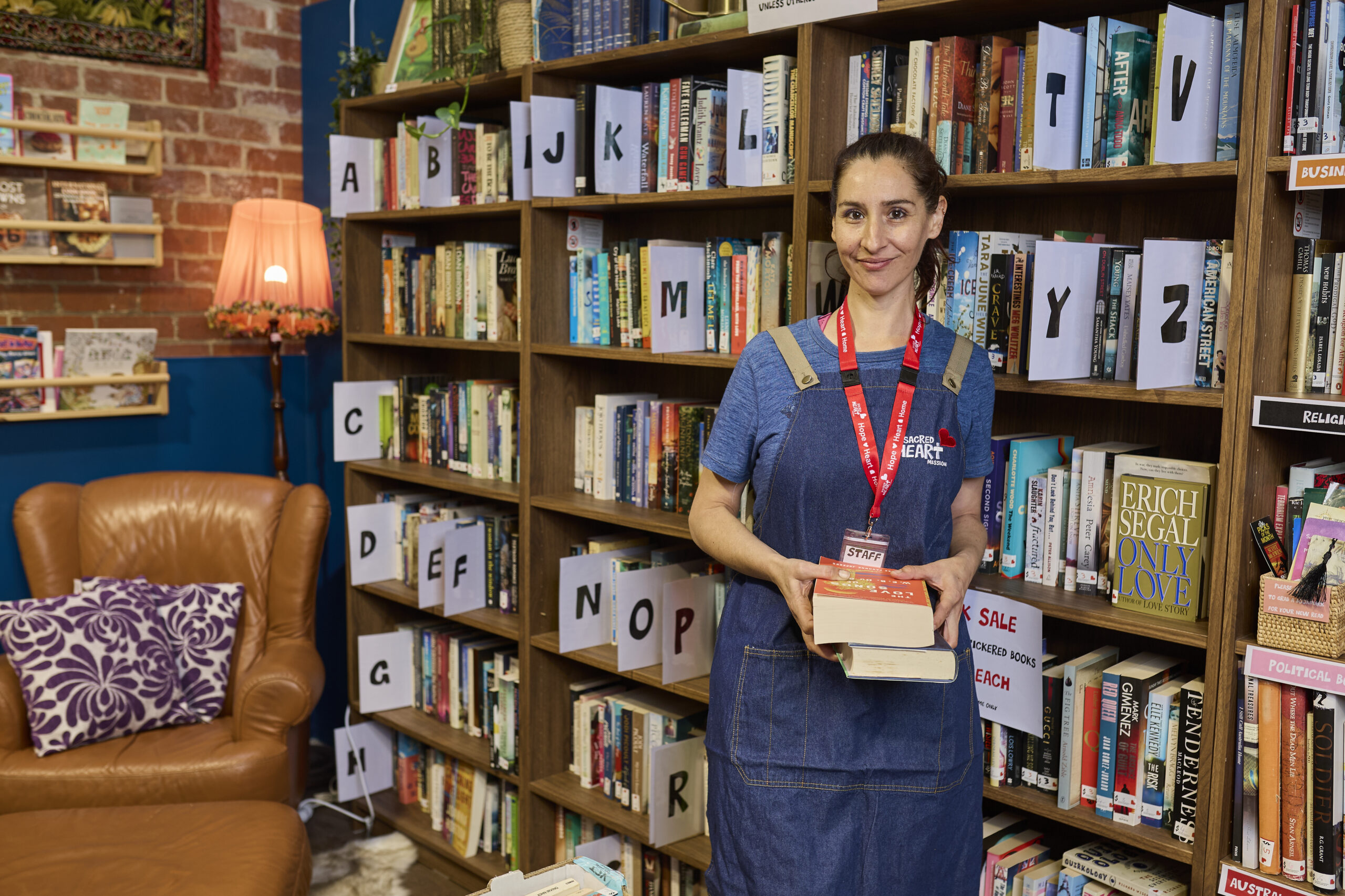
They create a circular model that starts with a community’s unique culture and identity, as people who share this space pass on knowledge, support one another, and invest in the places they care about.
And the community cares about op shops.
It’s why neighbours speak up when donations are dumped outside stores. It’s why volunteers give back their time to stock shelves and greet customers. It’s why shoppers celebrate incredible finds online and proudly tell their friends ‘I got it from an op shop’
People don’t walk into Cotton On, Zara or Kmart and question the price of a shirt or ask for a discount because they don’t feel any ownership over the mega corporation model, it is what it is, and we are all just spenders, customers and walking dollar signs.
But in an op shop, you’re more than just a customer. Op shoppers are donors, volunteers, advocates and participants in a circular economy. They contribute to the ecosystem that makes op shops possible, and because they contribute, they feel invested.
That investment is the reason charities can grow.
Op shops represent something simple and unchangeable: affordable goods, neighbourly volunteers, and a sense that everyone is pitching in together.
While those core values remain true, in the last 16 years I can tell you op shops have changed. These days, like all retail outlets, we face rising rents, wages, utilities, technology costs, compliance requirements and increasing expectations around health and safety.
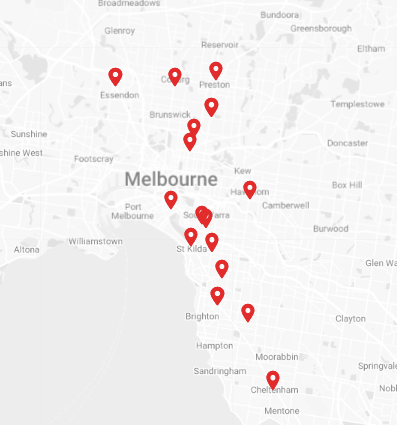
Sacred Heart Mission stores have evolved from a handful of stores into a Melbourne-wide footprint of destination op shops, employing hundreds of staff and volunteers.
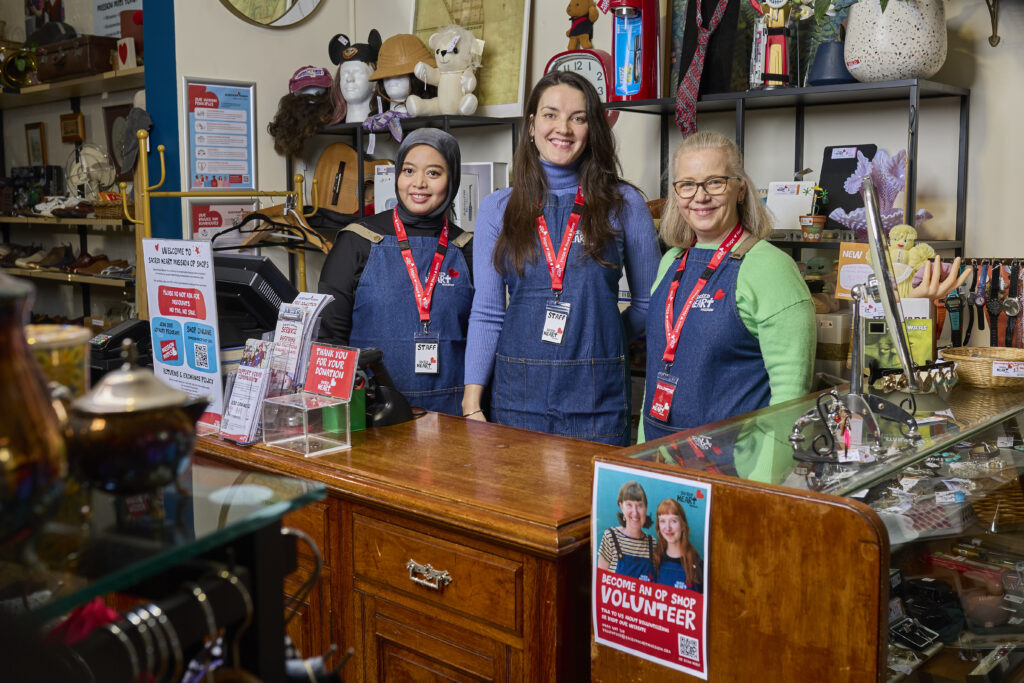
There is a common misconception that because donations are free, everything should be sold cheaply. But behind the mysterious back room of every op shop lies an enormous amount of work: sorting, testing, cleaning, recycling, disposing of unusable goods and managing tons of donations every year.
At the same time, the nature of second-hand shopping has changed. Cost-of-living pressures, fast fashion and the rise of reselling have transformed both donations and demand.
Sixteen years ago apps like Depop, Whatnot, Vinted and Facebook Marketplace didn’t exist. Op shop backrooms were overfilled with donations, deceased estates were a-plenty and people didn’t feel a strong need to sell their second-hand clothes.
We can reminisce on the days of op shops past, or find the balance where commerce and community meet.
Because there is an ecosystem inside every op shop that cannot easily be replicated. A sustainable loop built on people’s time, generosity, knowledge and commitment. I remember op shops exists because communities make it possible.
The passion our op shoppers feel towards our stores is something we take pride in. Without you, there is no opportunity.
Stay up to date with our monthly newsletter, Heartbeat