Skip to:


Search
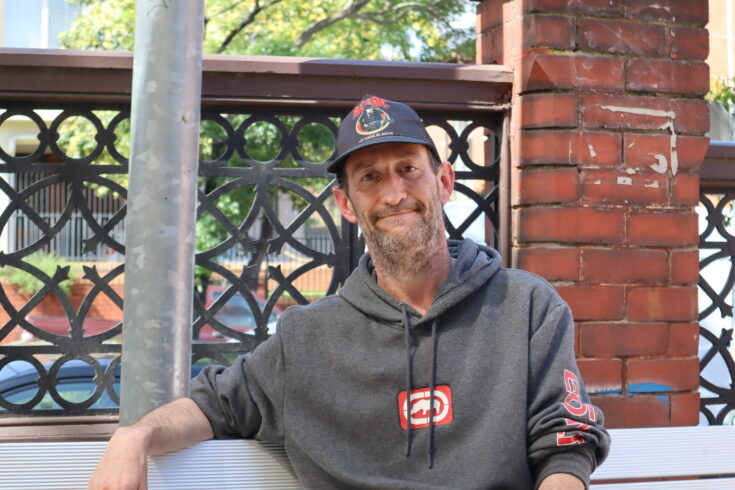
Before the home invasion, I’d been a bank manager, a cricket coach and president of a cricket club. After it happened – after I got hit in the face with a tire iron – I went into a spiral of post-traumatic stress disorder, anxiety and undiagnosed ADHD.
I wound up homeless during the pandemic lockdowns, along with two others who were in a similar situation. Sometimes we had hotel rooms to stay in, sometimes we slept in a car parked at the back of a gym so the police wouldn’t move us along. I lost my licence during that time, which made it even harder to find work.
At that point, I met two wonderful caseworkers, Tanya and Kieran, who were with Sacred Heart Mission. It felt like they understood what I was going through. They helped us find a house through Green Light Plus, a government-funded program, and they supported us as long as the pandemic funding allowed them to.
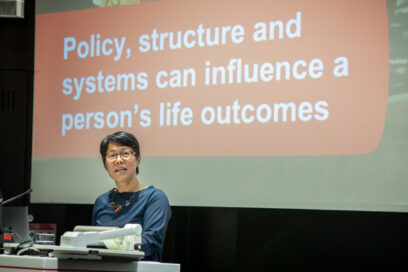
But here’s the heart of the matter: short-term support doesn’t work for long-term trauma. You can’t slap a Band-Aid on a bullet wound. What I and many others need is consistent, ongoing support, tailored to the realities we face: instability, social isolation, and daily battles just to function. When our support services are capped or cut off before we’re ready, our progress stops and we become vulnerable to exploitation by criminals.
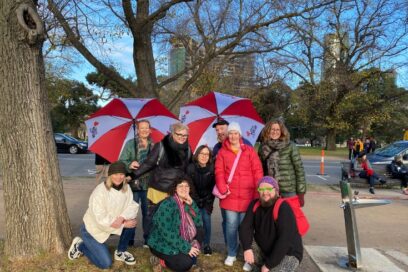
Things are better for me now, but I want to make it easier for people who have endured what we did. That’s why I value my input into Sacred Heart Mission’s lived experience advisory group. Together, we can advocate for a system of support that lasts until it sticks.
Stay up to date with our monthly newsletter, Heartbeat